


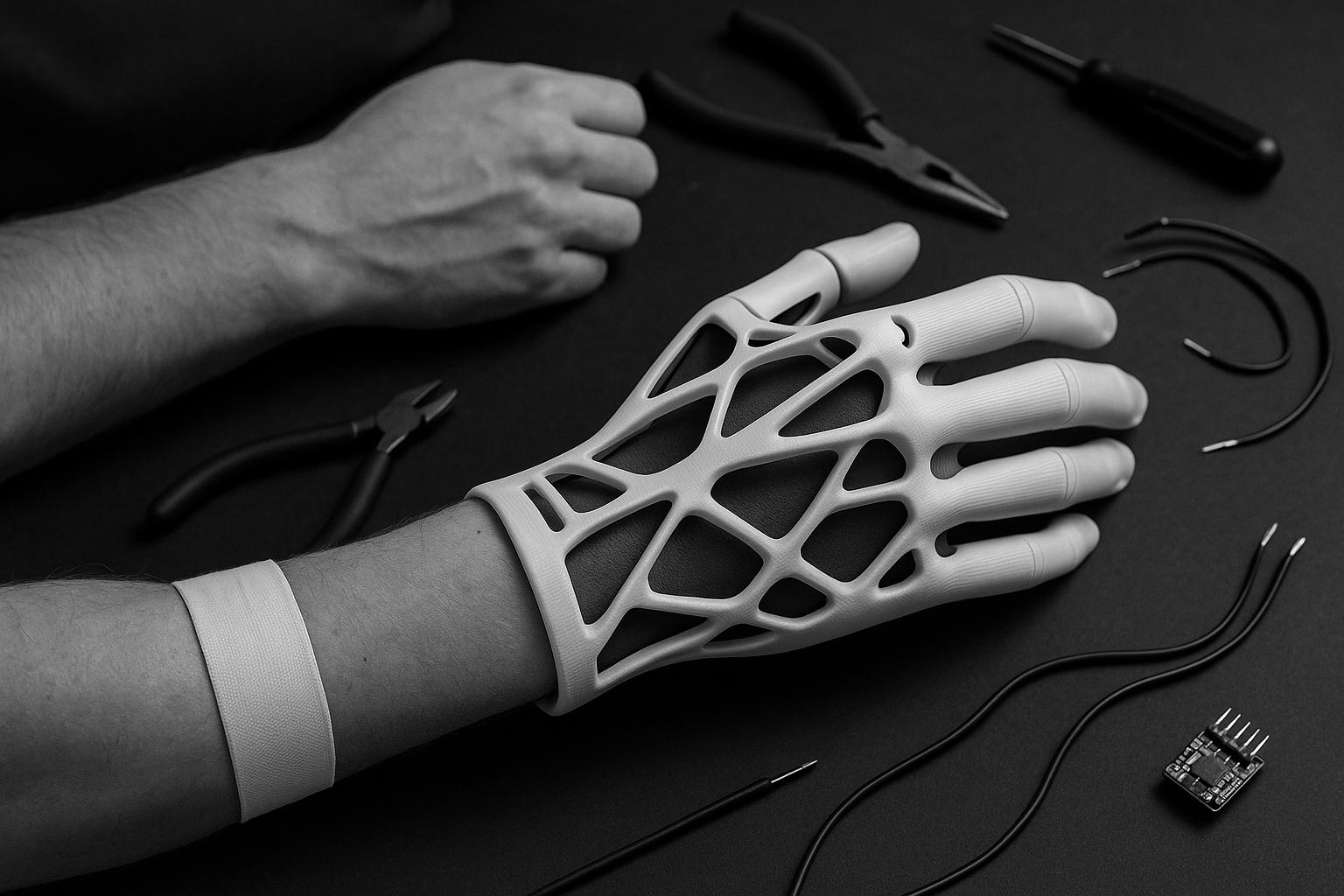
The orthopedic prosthetic device market is set for substantial growth by 2035, driven by advancements in materials, AI, 3D printing, and rising global demand amid demographic shifts, despite ongoing cost and accessibility challenges.
The orthopedic prosthetic device market is anticipated to experience significant growth over the coming decade, driven by technological advancements, demographic trends, and increasing awareness about prosthetic solutions. From 2025 to 2035, the market is expected to grow from approximately USD 2.4 billion to USD 3.8 billion, at a compound annual growth rate (CAGR) of around 4.8%. This expansion underscores the critical role these devices play in enhancing healthcare mobility and improving the quality of life for patients who have experienced limb loss or joint dysfunction.
Orthopedic prosthetics have evolved remarkably from their rudimentary beginnings to highly sophisticated devices. Modern prostheses—ranging from limbs like arms and legs to joints including knees and elbows—are becoming increasingly functional and comfortable. Innovations in materials science, particularly the use of lightweight but durable substances such as carbon fiber and titanium, alongside robotics, artificial intelligence (AI), and 3D printing technologies, are enabling the creation of devices that closely mimic natural movement. Advancements in neuroprosthetics and regenerative medicine further augment these developments, expanding the scope of what prosthetic technology can achieve. These innovations are notably improving device performance, adaptability, and patient outcomes.
Several key drivers are propelling this market’s growth. The global aging population is a major factor, with age-related musculoskeletal disorders such as osteoarthritis and osteoporosis leading to more joint replacements and amputations. Concurrently, the rising prevalence of diabetes, especially in countries like the US, India, and China, increases the demand for lower-limb prosthetics due to diabetes-related amputations. Technological progress has introduced smart prosthetics equipped with sensors and AI, which can adapt to users’ movements in real time, enhancing both mobility and comfort. Additionally, increased awareness through government policies and healthcare reforms is improving access to prosthetic devices. There is a growing perception of prosthetics as essential, life-enhancing healthcare solutions rather than luxury items, particularly in regions with socialized healthcare or robust private healthcare sectors.

However, the market faces notable challenges. Foremost among these is the high cost of advanced prosthetic devices, which can range from several thousand to upwards of twenty thousand dollars. This financial barrier limits access, especially for individuals in developing countries or those without sufficient insurance coverage. Moreover, there is a persistent shortage of skilled prosthetists and rehabilitation professionals, particularly in rural and underserved areas. This shortage impacts the effectiveness of prosthetic use and associated rehabilitation outcomes. Another challenge lies in the incomplete integration of prosthetic care within wider healthcare systems, leading to insufficient follow-up, rehabilitation services, and patient support that are critical for maximizing prosthetic benefits. Technological limitations, such as prosthetics that remain relatively heavy, require frequent maintenance, or have limited battery life, also pose ongoing concerns for manufacturers and users alike.
Emerging trends are shaping the future of the orthopedic prosthetic market. The use of 3D printing is revolutionizing production by allowing highly customised designs that improve comfort and reduce manufacturing costs, making prosthetics more personalised and affordable. Robotics and AI integration continue to enhance device responsiveness and functionality, with some systems adapting to user activity and environmental conditions dynamically. Telemedicine and remote monitoring are playing an increasingly vital role in patient care, enabling timely adjustments and ongoing support, particularly crucial in remote or resource-limited settings. Sustainability is another growing focus, with manufacturers seeking eco-friendly materials and processes to reduce environmental impact, including efforts toward recyclable and biodegradable prosthetic components.
The market comprises various product segments including upper and lower extremity prosthetics, encompassing hands, elbows, shoulders, feet, ankles, knees, hips, liners, sockets, and modular components. These devices are utilised across multiple end-user settings such as hospitals, prosthetic clinics, and rehabilitation centres. Geographically, key markets span North America, Europe, Asia-Pacific regions like South and East Asia, Latin America, Oceania, and the Middle East and Africa, each with distinct growth dynamics and challenges.
In summary, while the orthopedic prosthetic device market is poised for robust expansion, achieving widespread adoption and optimal patient outcomes will depend on addressing cost barriers, improving professional training and healthcare integration, and continuing to innovate technologically. The ongoing evolution of smart prosthetics, personalised designs, and supportive care models highlights a promising trajectory toward more accessible and effective mobility solutions for diverse patient populations.
📌 Reference Map:
- Paragraph 1 – [1], [2], [3]
- Paragraph 2 – [1], [2], [3], [4]
- Paragraph 3 – [1], [2], [5], [6], [7]
- Paragraph 4 – [1], [2], [3], [4], [7]
- Paragraph 5 – [1], [2], [3], [4], [5]
- Paragraph 6 – [1]
Source: Noah Wire Services
Noah Fact Check Pro
The draft above was created using the information available at the time the story first
emerged. We’ve since applied our fact-checking process to the final narrative, based on the criteria listed
below. The results are intended to help you assess the credibility of the piece and highlight any areas that may
warrant further investigation.
Freshness check
Score:
6
Notes:
🕰️ The narrative presents projections for the orthopedic prosthetic device market from 2025 to 2035, with a compound annual growth rate (CAGR) of around 4.8%. Similar projections have been reported in previous analyses, such as a 4.7% CAGR forecasted until 2032. ([fmiblog.com](https://www.fmiblog.com/2024/02/21/orthopedic-prosthetic-devices-market-size/?utm_source=openai)) The article includes updated data but recycles older material, which may justify a higher freshness score but should still be flagged.
Quotes check
Score:
7
Notes:
🕰️ The article includes direct quotes from an analyst at Future Market Insights, Inc., stating, “As healthcare equipment are getting advanced, orthopedic prosthetic devices are also moving ahead with the help of cutting-edge technology.” ([fmiblog.com](https://www.fmiblog.com/2024/07/12/orthopedic-prosthetic-device-market-demand-2/?utm_source=openai)) This quote appears to be reused from earlier material, indicating potential recycled content.
Source reliability
Score:
5
Notes:
⚠️ The narrative originates from FMIBlog, which aggregates content from various sources, including Future Market Insights (FMI). While FMI is a reputable market research firm, the aggregation by FMIBlog may introduce concerns about the originality and verification of the information presented.
Plausability check
Score:
8
Notes:
✅ The claims regarding technological advancements in orthopedic prosthetics, such as the integration of AI, robotics, and 3D printing, are consistent with current industry trends. However, the lack of specific data points and references to other reputable outlets reduces the overall credibility of the narrative.
Overall assessment
Verdict (FAIL, OPEN, PASS): FAIL
Confidence (LOW, MEDIUM, HIGH): MEDIUM
Summary:
⚠️ The narrative presents projections and claims that are consistent with existing industry analyses but lacks originality and includes recycled content. The reliance on aggregated sources and the absence of direct references to other reputable outlets further diminish its credibility.
